Spotting the signs before they spread
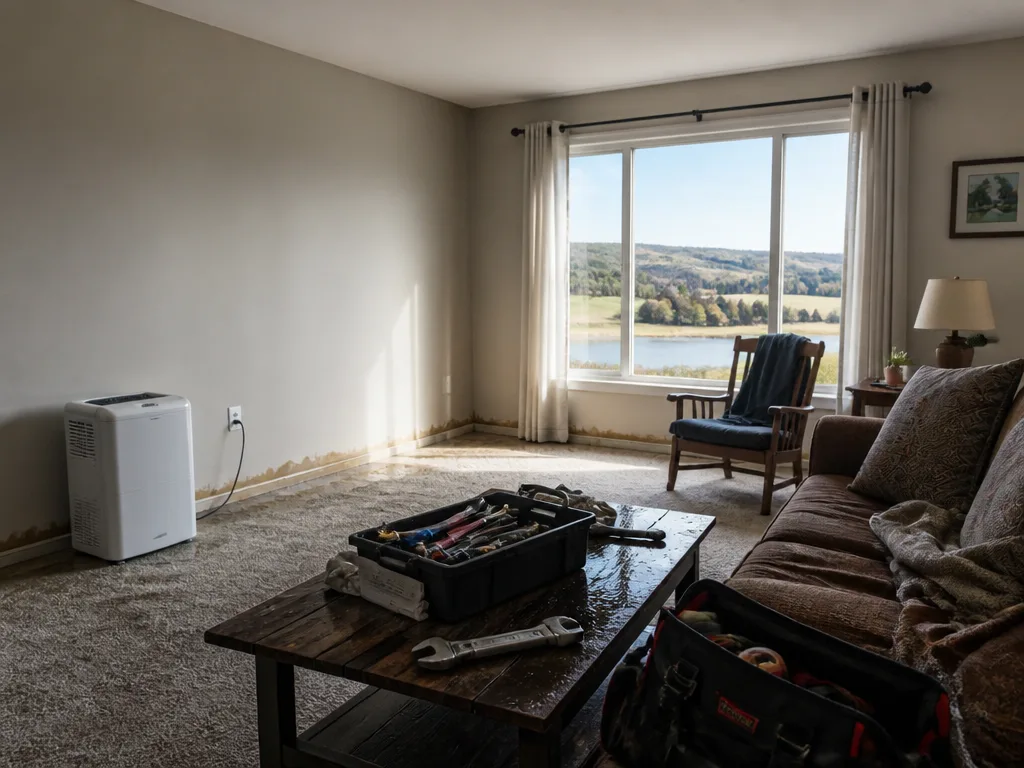
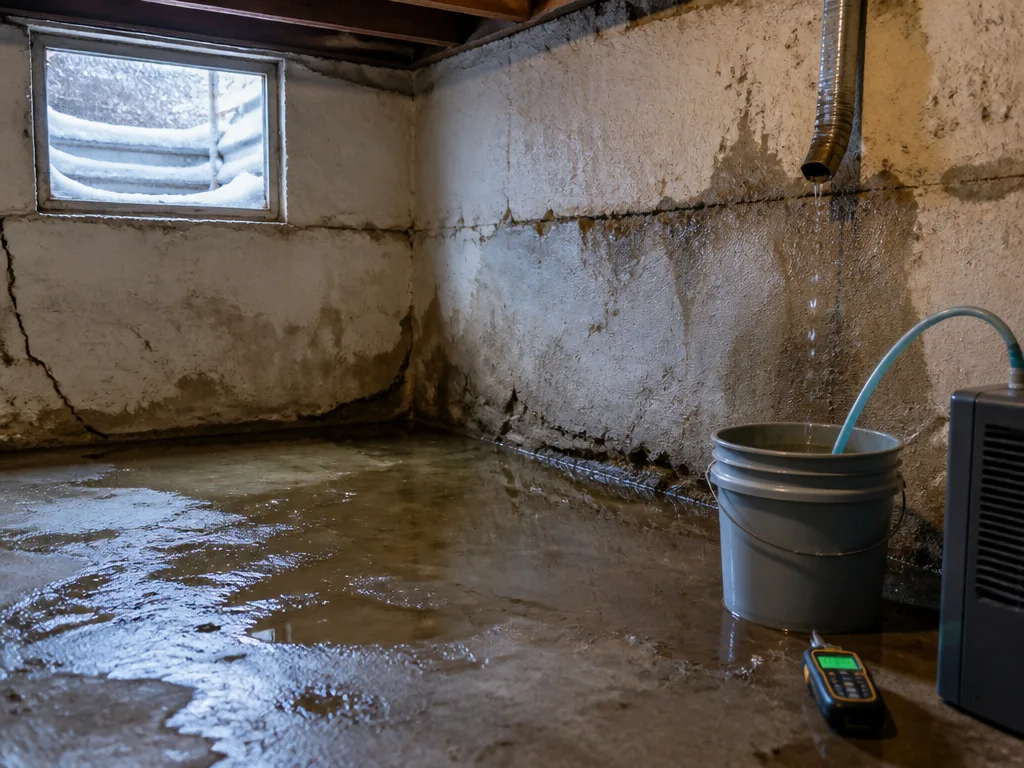
Water damage rarely announces itself with a loud splash. In every South Dakota home, look for discoloration on walls, ceilings, or trim. Dark spots that gradually grow, a musty odor, or wallpaper that peels away can all signal moisture behind the surface. These aren’t cosmetic issues; they point to ongoing moisture that can warp framing or invite mold if left unchecked. When you notice any of these cues, call on restoration specialists to evaluate and respond.
Another common indicator is uneven paint or bubbling where walls meet ceilings. If you see bubbling paint on interior surfaces after a storm or a rapid temperature change, that can mean water has found a path behind the surface. A professional assessment from South Dakota Carpet Water Damage helps determine the source and scope without tearing apart rooms unnecessarily.
What a pro checks during an initial evaluation
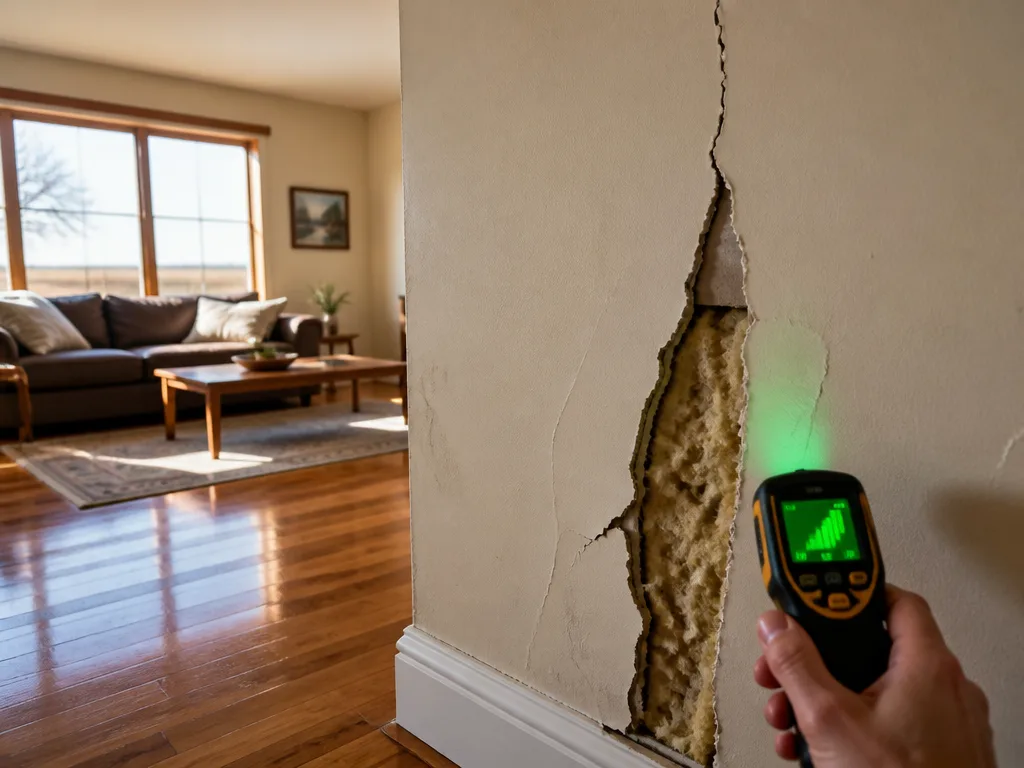
A restoration specialist will look beyond the surface. They map the affected area, test moisture levels, and identify potential secondary damage like warped sheathing or mineral buildup in drywall joints. In South Dakota, where seasons swing from dry spells to spring thaws, moisture changes can occur quickly. A thorough check helps prevent longer repairs and more disruption to your home.
After the initial scan, you’ll get a clear description of the affected zones and a plan for containment. The goal is to stop the spread, dry everything properly, and restore the space to a safe, livable condition. This is not a one-and-done fix; it’s a careful, measured process by restoration specialists working across South Dakota.
Practical next steps for homeowners
Take photos of any signs you notice and keep a simple log of when they appeared. If you’ve had a recent storm, a nearby sump or drainage issue could be the culprit. Contact South Dakota Carpet Water Damage for a free phone consultation to discuss your symptoms and schedule a professional evaluation. A trained restoration specialist can provide an on-site assessment and outline the containment plan.
While you wait, reduce potential exposure by limiting room traffic, removing important belongings from the affected area, and protecting items with plastic sheeting if you can do so safely. Quick, calm action helps prevent further moisture intrusion and makes the restoration work smoother for everyone involved.